About Brisbane Air Taxis

Independent analysis on future air mobility across Queensland

Our mission

Tracking the future of transport in Australia

Brisbane Air Taxis (also known informally as Sky Taxis Australia) is an independent site dedicated to emerging air mobility and eVTOL developments. We publish analysis and educational content to help Australians understand what sky taxi services may offer as the industry develops.

Explore future services
eVTOL
coverage
Queensland
focus
2032
Olympics
Sustainable
mobility

What are eVTOL aircraft?

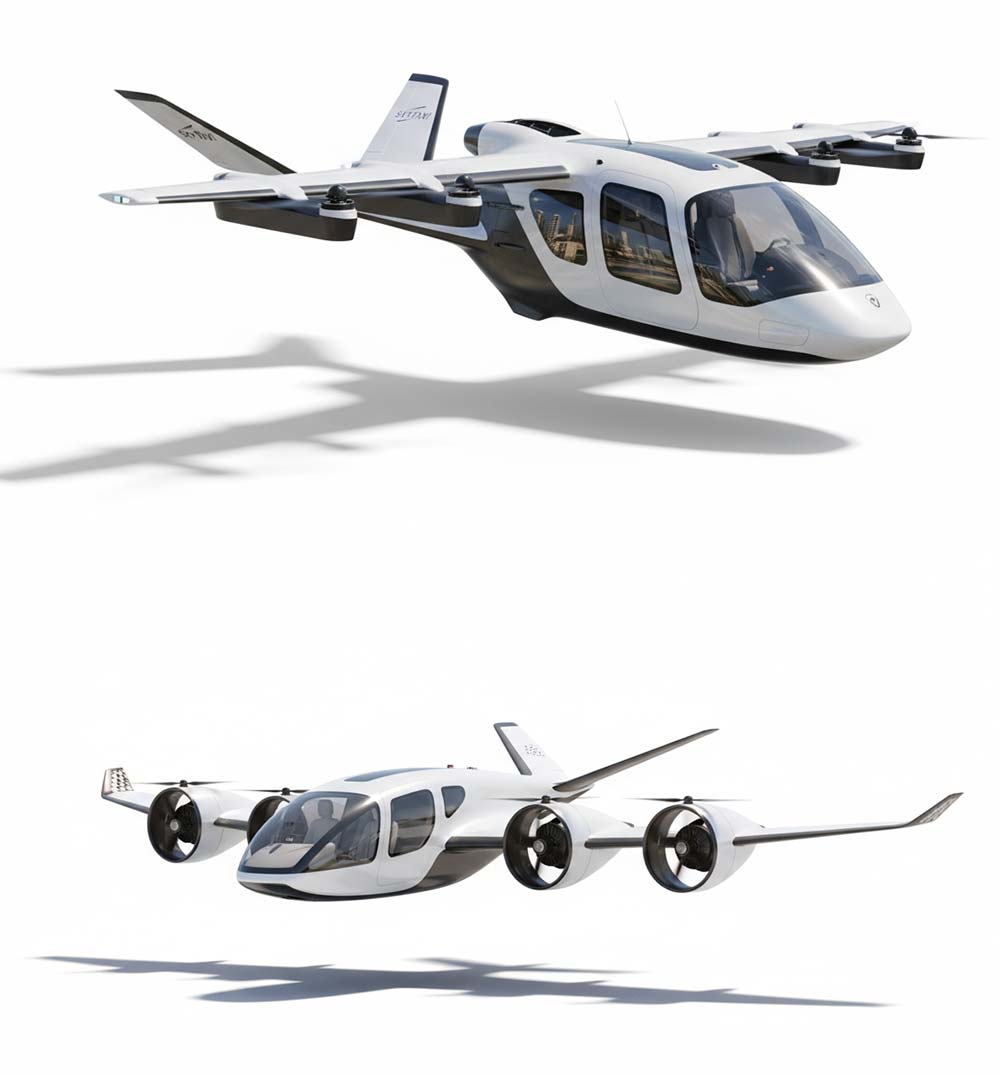
eVTOL — electric vertical take-off and landing — describes a category of aircraft that can hover, take off, and land vertically like a helicopter, but uses electric motors and often fixed-wing aerodynamics for efficient forward flight. Unlike conventional helicopters, eVTOL designs typically feature multiple small rotors rather than a single main rotor, improving redundancy and reducing noise.

Manufacturers worldwide — including Joby Aviation, Archer Aviation, Lilium, and Vertical Aerospace — are flight-testing prototypes with varying configurations: tilt-rotor, multicopter, and lift-and-cruise designs. Passenger capacities range from two to six seats, with ranges of 30–150 kilometres on current battery technology. Autonomous flight capabilities are under development, though initial commercial operations in Australia are expected to require onboard pilots.

For the Brisbane, eVTOL aircraft could theoretically operate from compact vertiports rather than full airports, enabling services between Surfers Paradise hotels, Brisbane Airport, and Brisbane CBD without lengthy ground transfers.

Why Brisbane is ideal for air taxis

Several factors make the Brisbane a compelling market for future sky taxi operations:

  • Tourism volume: 7.1 million visitors in 2025 (Tourism Research Australia), supporting demand for efficient coastal transport options.
  • Linear geography: Coastal development favours point-to-point aerial routes over congested motorways.
  • Existing aviation infrastructure: Brisbane Airport and heliport operations provide regulatory and operational precedents.
  • Proximity to Brisbane: Cross-city routes to Queensland's capital represent high-value commuter and business travel.
  • 2032 Olympic catalyst: Major events accelerate infrastructure investment and public acceptance of new transport modes.

2032 Olympics infrastructure opportunities

The Brisbane 2032 Olympic and Paralympic Games will require moving hundreds of thousands of spectators, athletes, and officials across South East Queensland. Brisbane venues will host soccer, indoor sports, and potentially other events — creating predictable peak demand periods.

Transport planners are evaluating multi-modal solutions. Advanced air mobility is among the concepts discussed in industry forums, though no official Olympic air taxi programme has been announced. Potential applications include VIP transfers, media logistics, and emergency response — all subject to budget, safety certification, and community approval.

Sustainability and commuter benefits

Electric propulsion eliminates tailpipe emissions during flight, aligning with Queensland's renewable energy transition and tourism sustainability goals. While lifecycle emissions depend on electricity sources and manufacturing, eVTOL operations are generally expected to produce lower per-passenger emissions than single-occupancy car trips over equivalent distances.

For daily commuters, proposed sky taxi services could reduce time spent on the M1 Pacific Motorway, where Brisbane–Brisbane drives often take 60–90 minutes and can reach two hours or more in peak periods (ABC News, industry traffic reports). Manufacturers have discussed flight times in the order of 15–20 minutes for similar distances — but no certified commercial service exists in Queensland yet, and pricing would likely start in premium segments.

Australian advanced air mobility landscape

Australia's advanced air mobility sector is in its formative stage. CASA is developing certification standards adapted from existing helicopter and fixed-wing regulations, with input from international aviation authorities. State governments in Queensland, New South Wales, and Victoria have hosted industry roundtables and feasibility studies.

Investment flows from superannuation funds, venture capital, and global aerospace companies signal long-term confidence — but commercial operations remain years away. Universities including QUT and UNSW conduct research into urban air mobility integration, noise modelling, and public acceptance — contributing evidence that policymakers will need as vertiport proposals advance.

Brisbane Air Taxis exists to document this journey transparently, helping readers distinguish between industry projections and confirmed developments. We cover proposed sky taxi services and Queensland transport policy. Services described on this site are not yet operational.
Industry overview

The path to commercial sky taxis

01
Technology development

Global manufacturers conduct flight testing and pursue type certification in their home jurisdictions.

02
Regulatory approval

CASA establishes Australian certification pathways and airspace integration rules for eVTOL operations.

03
Infrastructure build-out

Vertiports, charging systems, and air traffic management infrastructure deployed at priority locations.

04
Commercial launch

Licensed operators begin passenger services — initially at premium price points with limited routes.

Future air mobility concept for the Brisbane

Tourism opportunities and transport innovation

Queensland's tourism industry contributed $37.6 billion in direct and indirect Gross State Product in 2023–24 (Tourism Research Australia State Tourism Satellite Accounts). The Brisbane alone recorded $11.2 billion in visitor expenditure in 2025. Transport access — airport transfers, theme park connections, and inter-city movement — consistently matters for visitor experience. Future sky taxi concepts could address some of these friction points if they are ever approved and built.

Hotels and resorts along the coastal strip may eventually offer air taxi concierge services, similar to how luxury properties currently arrange helicopter transfers. The difference lies in accessibility: eVTOL economics target a broader passenger demographic over time, potentially moving air mobility from ultra-premium to mainstream business and leisure travel.

Future transport innovation in Australian cities

Australia has historically been an early adopter of transport innovation when economic case and regulatory clarity align — from tram networks in Melbourne to contactless payment across public transit systems. Advanced air mobility represents the next frontier, but success requires patient capital, community trust, and government coordination.

The Brisbane City Council, Transport and Main Roads Queensland, and federal aviation authorities each hold pieces of the policy puzzle. Vertiport land use falls under local planning schemes; airspace under CASA; and economic development under state investment frameworks. Brisbane Air Taxis monitors these intersecting jurisdictions to provide readers with a coherent picture of progress.

Potential commuter benefits for residents

Beyond tourism, Brisbane residents who commute to Brisbane for work face among Australia's most congested motorway corridors. While rail upgrades continue, journey times often exceed 90 minutes during peak periods. A 15–20 minute aerial alternative — even at premium pricing — could appeal to time-sensitive professionals and shift housing preference patterns toward coastal suburbs currently considered impractical for daily Brisbane commutes.

Equity considerations matter: early air taxi services will likely serve premium markets first. Over time, increased competition and fleet scale could broaden access. Public policy may also shape outcomes — subsidised routes for regional connectivity, for example, mirror existing Essential Air Services programmes in rural Australia. Understanding these dynamics helps Brisbane communities engage constructively in vertiport consultation processes when they arise.

Editorial standards

Brisbane Air Taxis adheres to independent journalism principles. We clearly label speculative content, distinguish confirmed announcements from industry projections, and correct errors promptly when identified. We do not accept payment for favourable coverage of specific operators or manufacturers.

For advertising and sponsored content enquiries, see our contact page. All commercial relationships will be disclosed in accordance with Australian advertising standards.

2.6M

Greater Brisbane population

Queensland capital and 2032 Olympic host.

ABS

$37.6B

Queensland tourism GSP

Tourism GSP contribution 2023–24.

TRA STSA

8

Future service categories

Proposed sky taxi use cases on this site.

Brisbane Air Taxis

4.5M

SEQ population by 2032

Projected SEQ population at Games time.

KPMG / ABC News

Scroll